


Getting Involved
[vc_row row_type=”row” use_row_as_full_screen_section=”no” type=”full_width” text_align=”left” padding_top=”80″ padding_bottom=”80″ css_animation=””][vc_column][vc_column_text css=”.vc_custom_1509657065592{padding-bottom: 80px !important;}”]
Getting Involved With Bridge City Autosports
[/vc_column_text][vc_row_inner row_type=”row” type=”full_width” use_row_as_full_screen_section_slide=”no” text_align=”left” css_animation=””][vc_column_inner css=”.vc_custom_1509657904240{padding-top: 40px !important;}”][vc_column_text]
There are many ways to get involved with BCA, while getting the most out of your time socializing with like-minded motorsport enthusiasts. We encourage you to socialize before and after events; those extra 10 minutes of your time go a long ways to remembering faces and clearing the course at the end of the day.
[/vc_column_text][/vc_column_inner][/vc_row_inner][/vc_column][/vc_row][vc_row row_type=”row” use_row_as_full_screen_section=”no” type=”full_width” text_align=”left” padding_bottom=”40″ css_animation=””][vc_column width=”1/2″]Get a Membership![vc_column_text css=”.vc_custom_1509666483071{padding-top: 5% !important;padding-bottom: 5% !important;}”]Besides the discounted rate that comes with an annual membership, there are other occasional perks!
Bridge City sometimes has members-only days, that may be free for all members. Starting in 2018, we will be doing a Member Spotlight page, going through members in the order of sign-up, so that you have a chance to tell people a little about yourselves, and show off your rides!
More information on memberships.[/vc_column_text][/vc_column][vc_column width=”1/2″]Volunteer with us![vc_column_text css=”.vc_custom_1672715538935{padding-top: 5% !important;padding-bottom: 5% !important;}”]Bridge City hosts autocross events for numerous other clubs as well.
At these events, we always need volunteers to come help set up, shag cones, instruct, etc. Typically in exchange for volunteering, you will get free run time as well! Check out our full schedule to see when these events are, here![/vc_column_text][/vc_column][/vc_row][vc_row row_type=”row” use_row_as_full_screen_section=”no” type=”full_width” text_align=”left” padding_bottom=”80″ css_animation=””][vc_column][vc_column_text css=”.vc_custom_1672715645499{padding-bottom: 40px !important;}”]
BOARD MEETINGS
Joining us at our open board meetings, and giving us feedback is a very helpful way for us to gauge what’s working for the group, and also what may need adjustment. Speak up! One person’s voice goes a long ways. Our board meetings is where a great deal of planning happens, and is typically the place where future plans get voted into place by the board. Coming to the meetings is a great way to stay in tune with other types of events we are involved with, and let us know what you would like to see us do.
Our Board Meetings have gone virtual for the time being. A link is sent out a few days before each meeting. Most meetings are the first Thursday of each month at 7pm Pacific.[/vc_column_text][vc_row_inner row_type=”row” type=”full_width” use_row_as_full_screen_section_slide=”no” text_align=”left” css_animation=””][vc_column_inner width=”2/3″][/vc_column_inner][vc_column_inner width=”1/3″ css=”.vc_custom_1509659053878{padding-right: 5% !important;padding-left: 5% !important;}”][vc_column_text][WPSM_FAQ id=22091][/vc_column_text][/vc_column_inner][/vc_row_inner][vc_row_inner row_type=”row” type=”full_width” use_row_as_full_screen_section_slide=”no” text_align=”left” css_animation=””][vc_column_inner css=”.vc_custom_1511984548402{padding-top: 5% !important;}”][vc_column_text]
COURSE DESIGN INVOLVEMENT
Every course starts with a Course Committee.
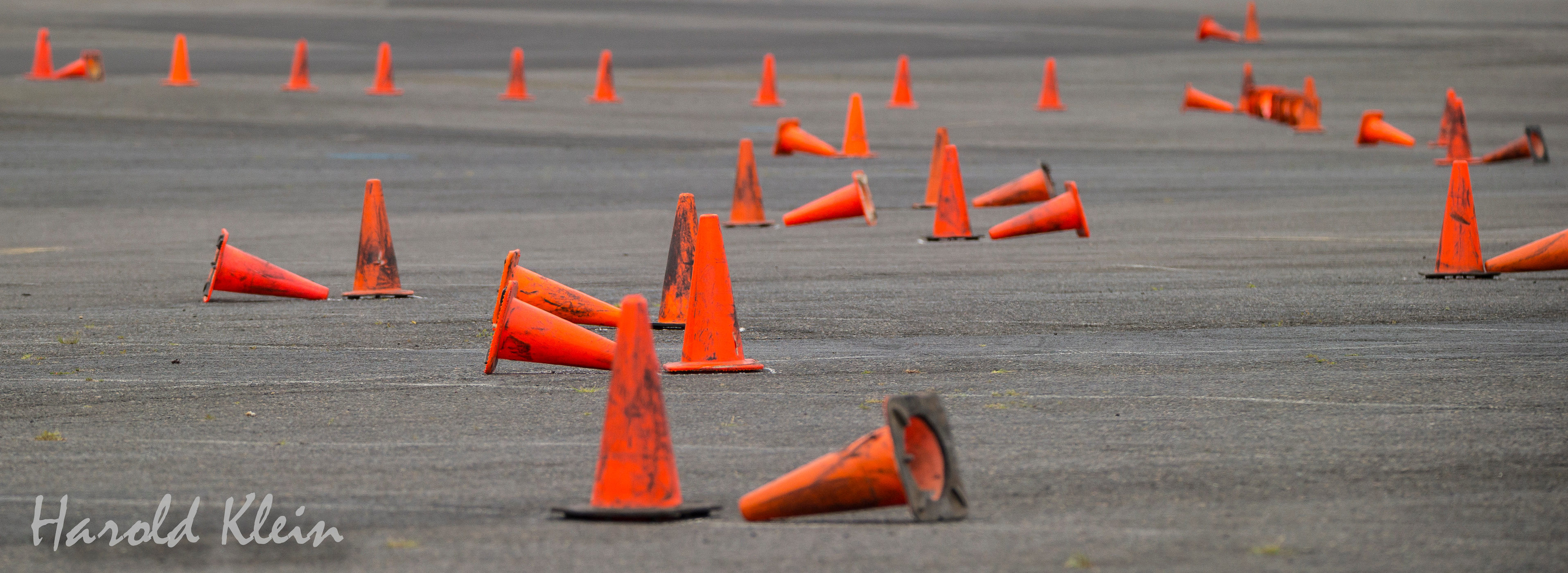
Before the start of the season, the Course Coordinator will pick Course Designers for each event, which stems from volunteers. The Committee is made up of three workers – Safety, a Course Designer and the Course Supervisor (Ryan Davis). The goal is to bring new designs to the table for each event, while also getting people involved and educated about what goes into a good course design: Flow, visual cues, dos/don’ts, proper spacing/measurements, how to make a boring course a fun course with just a few minor tweaks, etc.
All members of the Course Committee will be required to review brief documentation regarding course design before designing, which discusses the important aspects of course layout – flow, spacing, safety, visuals, etc.
You will need to sign up to be a Course Designer for the event of your choice. You will need to arrive on your selected day by no later than 6:45am if you are on Course Committee. We try to avoid anyone being a course designer for more than one event per year, however we do occasionally need extra helpers for setup. Please contact us at questions@bcautosports.club when you are ready![/vc_column_text][/vc_column_inner][/vc_row_inner][/vc_column][/vc_row][vc_row row_type=”row” use_row_as_full_screen_section=”no” type=”full_width” text_align=”left” padding_bottom=”40″ css_animation=”” css=”.vc_custom_1510000442423{background-color: #ffffff !important;}”][vc_column width=”1/3″ css=”.vc_custom_1487398311358{background-color: #ffffff !important;}”]
Course Designer
In charge of designing the initial course layout for ``x`` event. You may consult with others on how to design the course for input.
The Course Designers initial design must be submitted to the Course Supervisor, Course Coordinator, and Safety person no less than two weeks before the event. The layout must allow safety buffers between obstacles, jersey barriers, fencing, light poles, drains, etc. Take careful consideration for speed and angle at which participants approach these obstacles.
Course Supervisor
The Course Designer will present and discuss course design in advance with the Course Supervisor. Primarily, the Course Supervisor is there during course setup to provide input about flow, safety, and visual adjustments that may need to be made.
Safety Person
Safety is handled by a designated BCA safety person who has final say about all course designs to ensure safety standards are followed. Our safety team has many items they must consider, including weather, course conditions, physical obstacles at the venue (light poles, rails, walls, etc), potential speed of a car, angle of approach, ``worst case scenarios``, etc.
Any people not in the CC that are found to be moving cones/adjusting course without authorization or direct request from the CC to do so will be removed from the event. A second offense will result in removal from BCA events.
The Course Committee (CC) may recruit several others to help throw out cones or make specific adjustments, but it is ultimately the CC ‘s job to design the course and account for safety. Please, when they have finalized the course and ask for help chalking the cones, do so with minimal disturbance.
A lot of time and thought goes into placement of cones regarding how fast we are entering braking zones or high slip angle corners; small details are the difference between spinning out in open tarmac or crashing into a building.
[/vc_column_text][/vc_column][/vc_row]